Subscribe

Subscribe to hear about new talks, meetups, and the latest TEDxMelbourne News.
Thank you! Your submission has been received!
Oops! Something went wrong while submitting the form.
100% Spam-free. We promise.
When technology can increasingly help us create, what remains uniquely human about creativity?
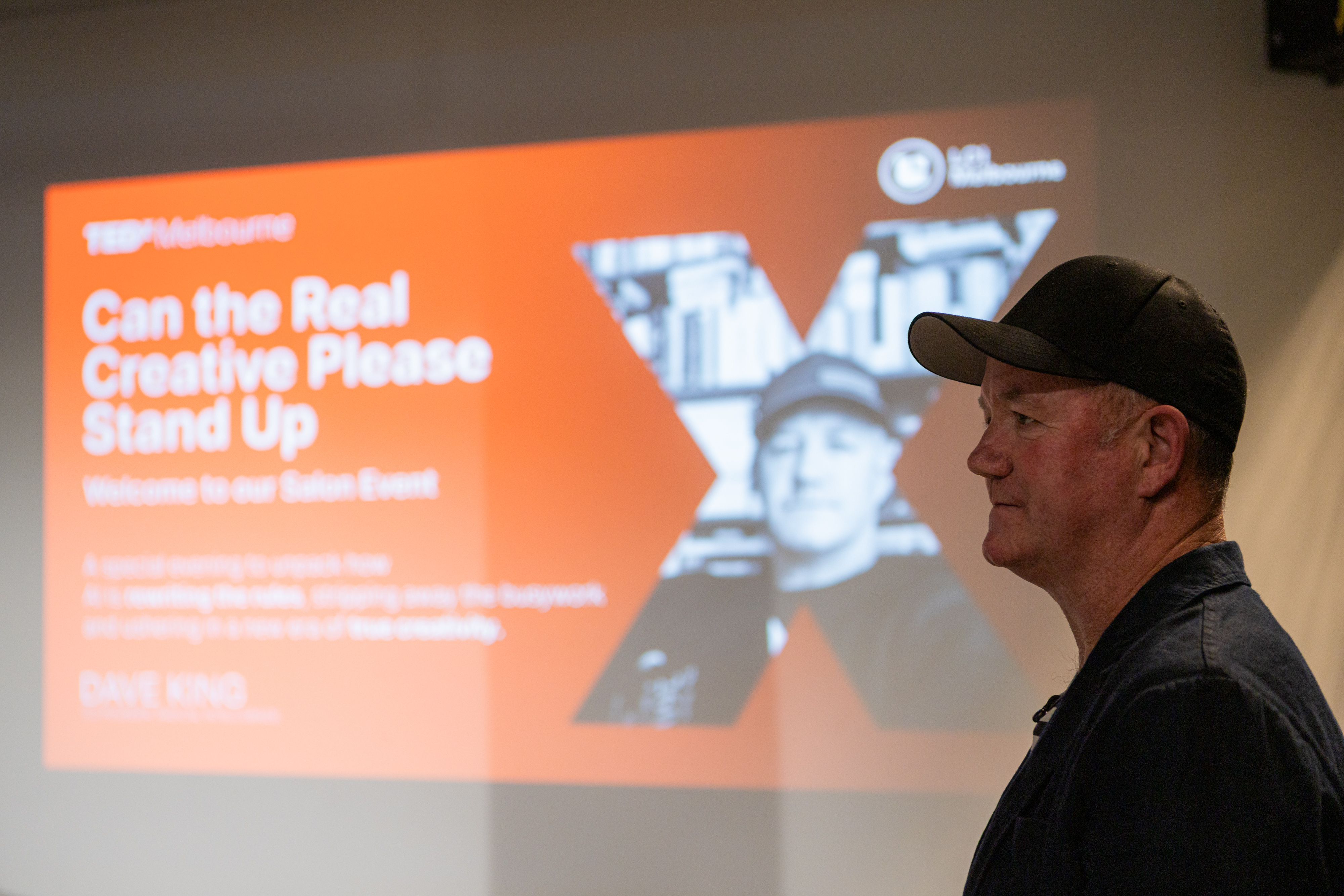
This question shaped our recent TEDxMelbourne Salon Can The Real Creative Please Stand Up on 11 June. Bringing together creative thinkers, practitioners, and curious minds, the evening explored how artificial intelligence is changing creative practice, and what happens when the process of making becomes increasingly supported by technology.
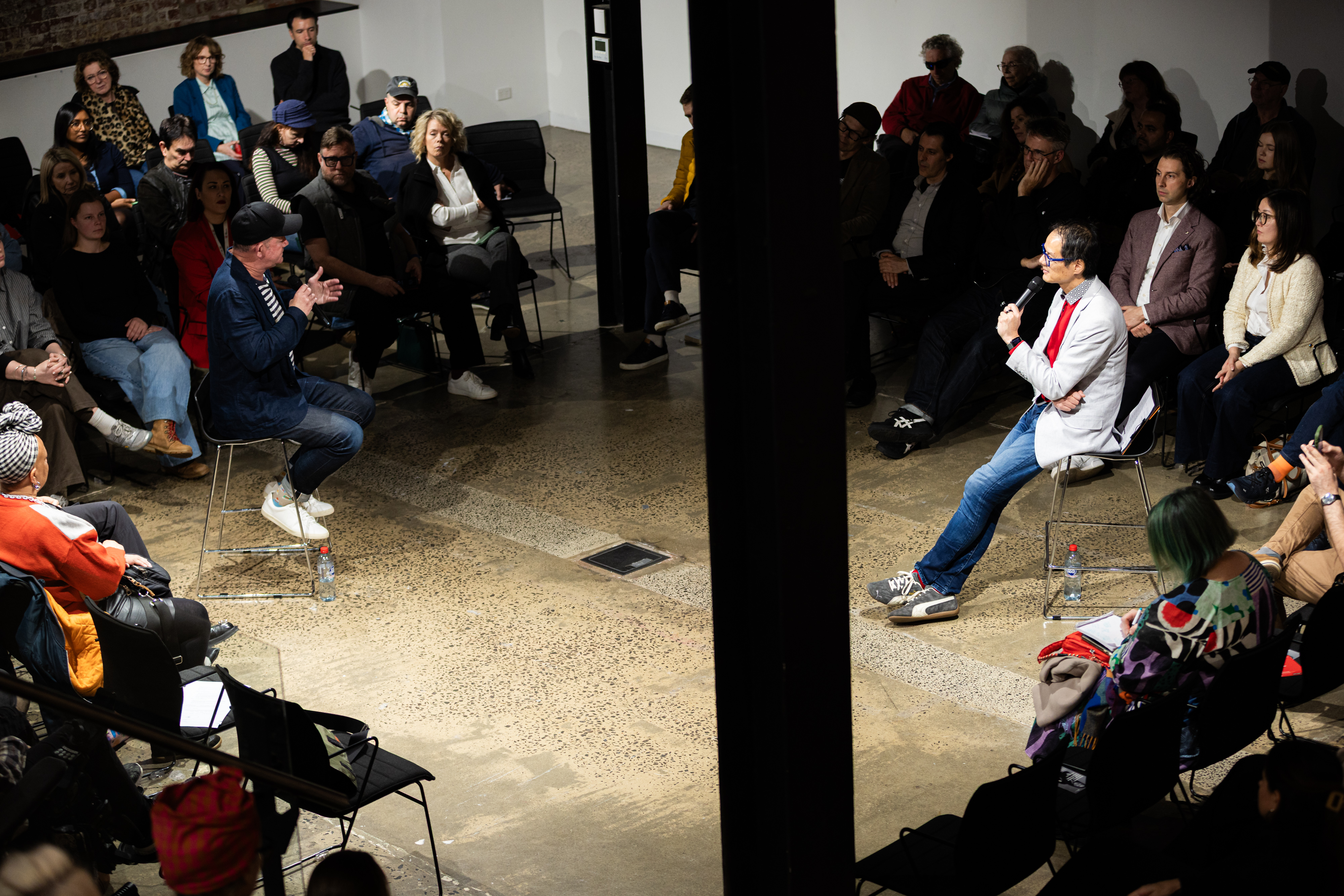
Hosted at LCI Melbourne, the event featured a moderated conversation between Jon Yeo, Head of Curation for TEDxMelbourne, and special guest Dave King, Co-Founder of Radical Intelligence. Together, they explored the changing relationship between humans and AI, from the automation of production-heavy tasks to the growing importance of intention, context and judgment in the creative process.
Early in the evening, the room was asked to raise their hand if they used AI monthly. Almost every hand went up. The question moved to weekly, then daily, then hourly, revealing a room already engaging with AI as part of their creative and professional lives. The discussion was not about whether AI had arrived, but how we might understand its role in shaping the future of creativity.
Throughout the conversation, a central idea emerged: creativity is not only about producing an outcome, but about deciding what is worth creating, understanding why it matters and shaping meaning through the choices we make.
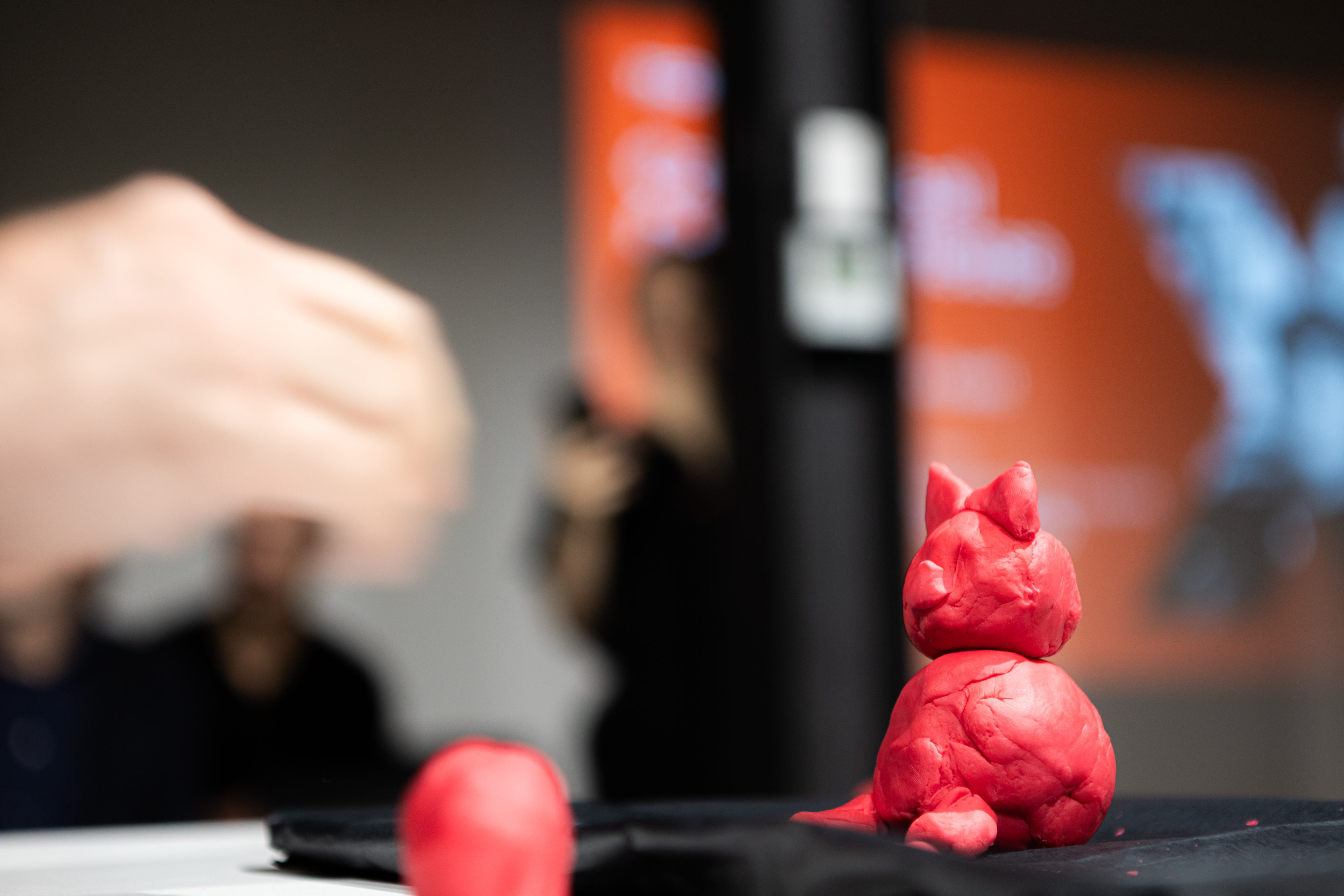
Midway through the discussion, these ideas moved from conversation into action through an interactive Play-Doh exercise.
Four volunteers were invited to the centre of the room, where each stood at their own station facing a different direction so none could see what the others were creating. Each participant received a slab of Play-Doh and three rounds of 90 seconds to work with.
The first instruction was simple: make a cat.
The results were four completely different creations, each revealing something about the person behind it. One participant reflected on the assumptions they brought to the task:
“I've got an archetypal picture of what I thought was a cat. You know, like when we were taught as a kid to draw a cat.”
The second round introduced a more detailed prompt, bringing the outcomes closer together while still leaving room for individual interpretation. As Jon Yeo observed:
“We had more specificity, we had more consistency.”
The discussion moved beyond the stage. There were no audience members, only participants. With chairs facing inward toward the activity, the room became a shared space where ideas could be questioned, developed, and reconsidered collectively.
One reflection highlighted how creativity can be experienced through more than the final outcome:
“I'm legally blind, so I don't actually see any of the creations. But I still found the first one more interesting because I think that it tells a story about the artist who's creating the creation.”
The final round introduced collaboration. Participants moved to the station on their left and were invited to make any changes they wanted to the cat already sitting there.
The activity revealed something fundamental about creative work: even when people are given similar instructions, the outcome remains shaped by individual perspective. Specificity can influence what is created, but it does not completely determine the result.
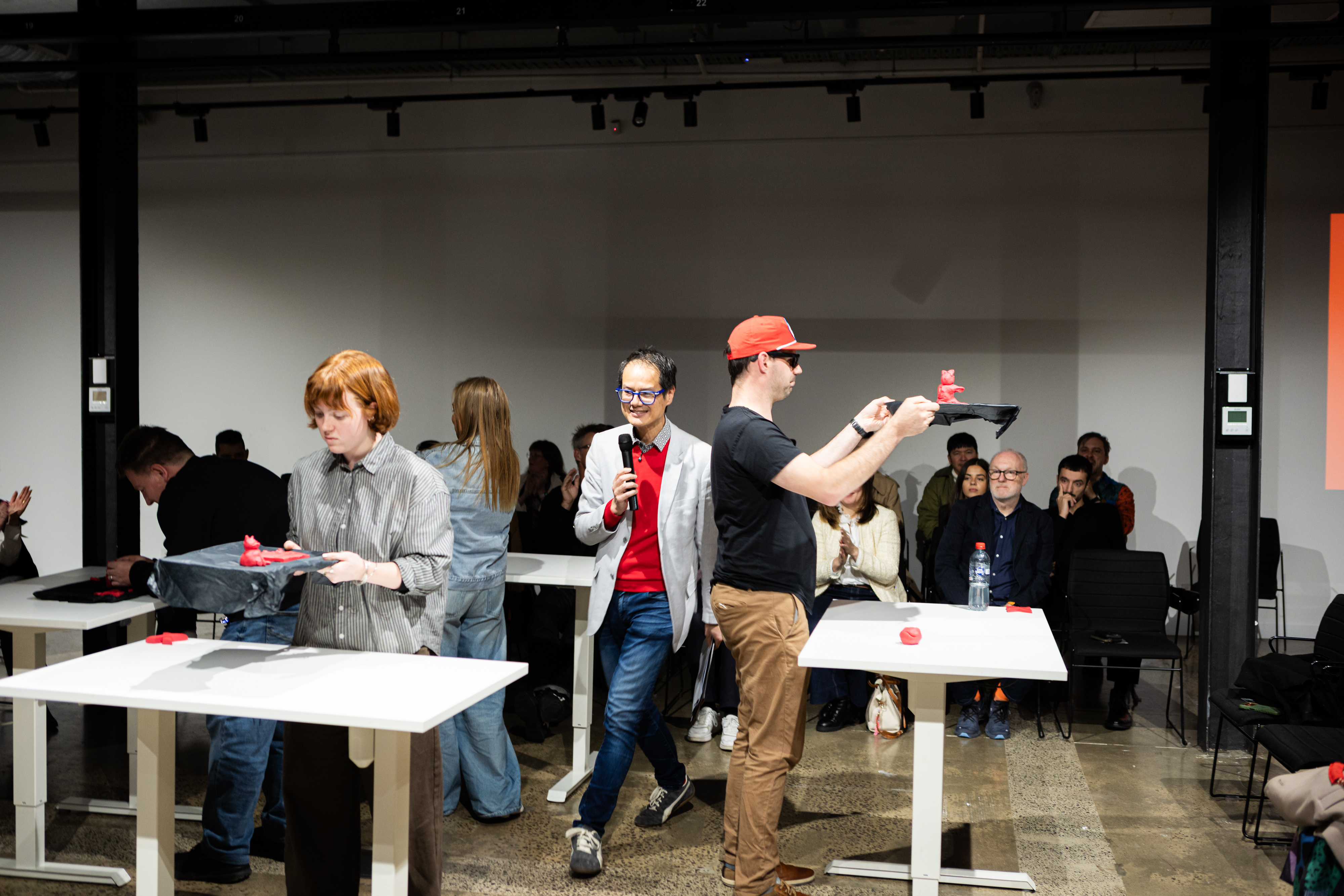
The exercise opened up a deeper conversation about creative process, ownership and judgment.
As Jon Yeo asked:
“Was that editing or was that collaboration?”
The question opened up a broader reflection on how creative work evolves through interaction, change, feedback and reinterpretation.
Dave King explored creativity as an ongoing process:
"That's the creative process for me. You treat everything you're working on as a living thing, so it's never really finished. It's just where it's got to today, and it's always up for an adjustment."
The discussion also explored why human experience remains central to creativity, even as AI tools become more capable.
“We're not born with creativity. We're not born a creative person. And so you are the product of your practice, experience, forming opinions, being interested, empathising with people, travelling, having conversations,” Dave reflected. “And the journey… means you're going to use that tool very differently from somebody else.”
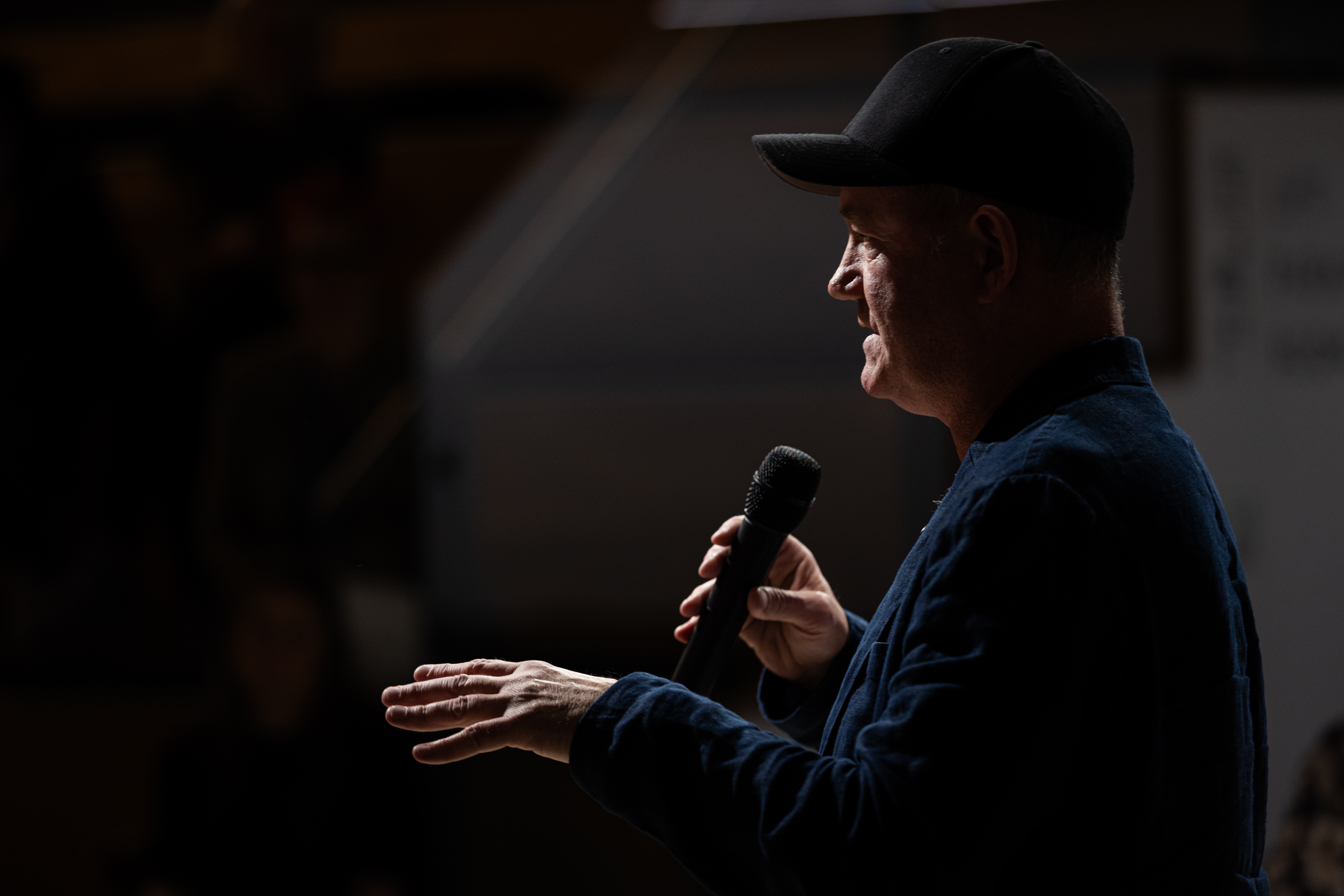
The references we collect, the things we notice and the moments that shape us all become part of what we create. No two people carry the same creative history and no prompt can fully account for that.
As AI becomes increasingly integrated into creative workflows, the ability to evaluate, interpret, and refine ideas becomes just as important as the ability to generate them.
Dave explored this distinction:
"Whether I sweat over every single word and it takes me all day, or I take three hours and only sweat over thirty percent of them, I'm still happy to put my name to it."
"It's how you use the tool, and the twenty years of experience you plug into it. Anyone can generate an output now. Knowing whether it's any good, that's where the real creativity starts."
The things that make human creative work distinct are not only skills or techniques. They are the accumulated texture of a life.
Throughout the conversation, AI was explored not as a replacement for creativity, but as a tool that can expand creative possibility when paired with human judgement.
“It democratizes content creation,” Dave offered. “It amplifies creative potential. But we need to all consider how we use it, and so we don't fool ourselves that it telling us a great idea like a stick-figure banded model means we are creative.”
The room explored the practical realities of creative work: the time, uncertainty, and emotional investment involved in making something. AI may reduce some of the friction involved in production, but it does not remove the human decisions that shape a final outcome.
As Dave reflected:
"In my creativity I want to be divergent. I'm not chasing the obvious answer, I want the thing that's different, that actually stands out."
"How you can evaluate that output, well, then becomes real creativity."
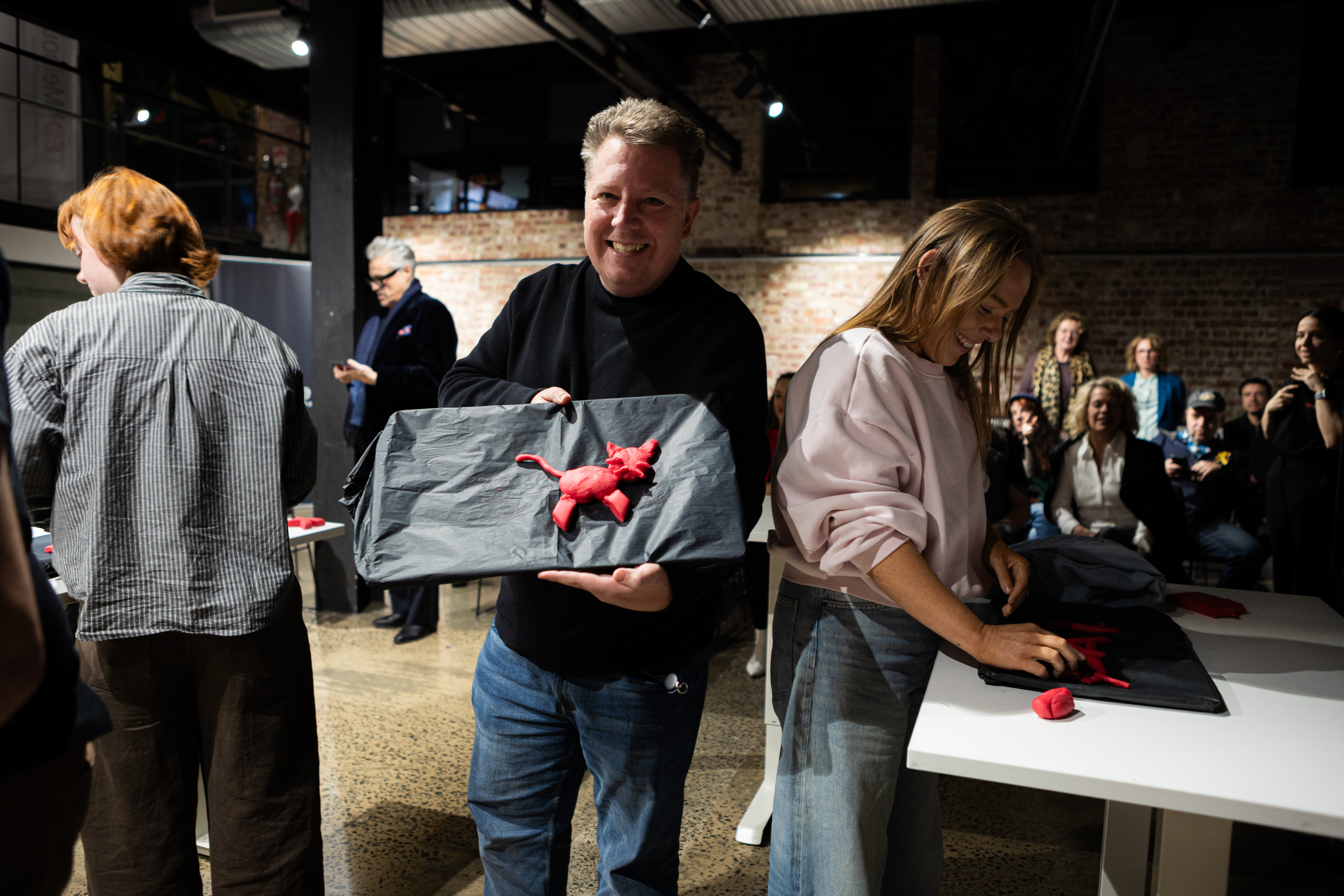
The evening highlighted that creativity is not simply found in the final outcome. It exists in the decisions, perspectives and experiences that shape how something comes into being.
As artificial intelligence continues to evolve, understanding the relationship between technology and creativity becomes increasingly important. The question is not only what new tools allow us to make, but how we allow human curiosity, judgment and imagination to lead the process.
Photography by Fifth Castle Media. Explore the event album here.